
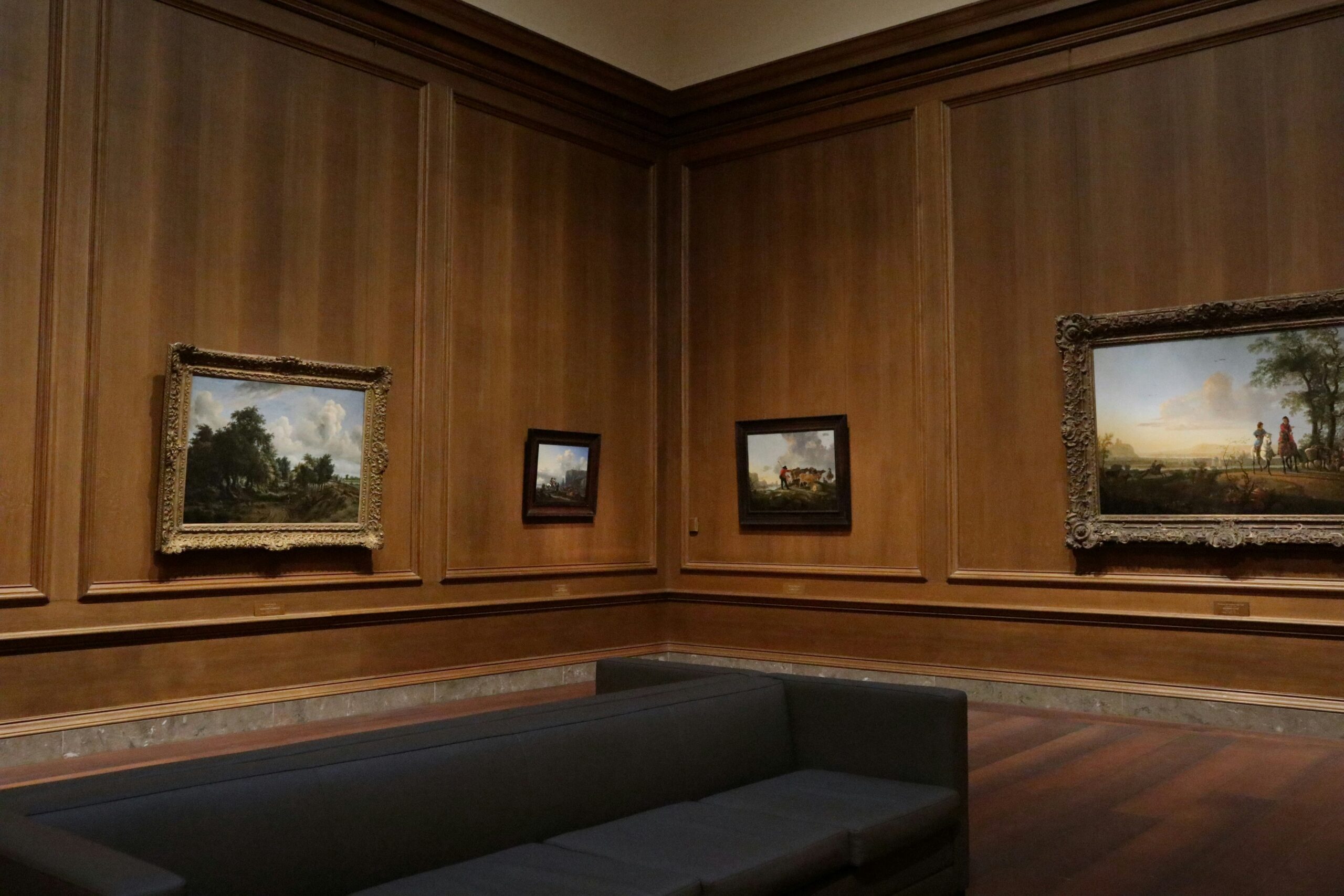
Thinking about visiting one of the world’s largest art galleries? It’s certainly an experience, offering a chance to see a vast collection of human creativity under one roof. These institutions aren’t just big; they’re often custodians of centuries of art history, making them unique places to explore. You’ll find everything from ancient artifacts to contemporary masterpieces, all within sprawling complexes designed to house and display these treasures.
The Louvre in Paris is arguably the most famous large art museum in the world, and for good reason. It’s housed in a former royal palace, and its sheer size and the breadth of its collection are impressive. You’re looking at around 73,000 square meters of exhibition space, home to approximately 380,000 objects, though only a fraction are on display at any given time.
Mona Lisa and More
When most people think of the Louvre, the Mona Lisa inevitably comes to mind. It’s a highlight, no doubt, but it’s just one piece in a massive puzzle. The crowds around her painting can be substantial, so it’s worth managing expectations for a quiet viewing.
Egyptian Antiquities
Beyond the Renaissance masterpieces, the Louvre boasts an extensive collection of Egyptian antiquities. This section is an immersive journey through thousands of years of ancient Egyptian civilization, featuring sarcophagi, papyri, and countless artifacts that provide insight into their daily lives and beliefs. It’s a significant part of the museum’s historical depth.
Greek and Roman Sculptures
Another major draw is the Greek and Roman antiquities department. Here, you’ll encounter iconic works like the Venus de Milo and the Winged Victory of Samothrace. The sheer scale and detail of these ancient sculptures are a testament to millennia-old craftsmanship. Walking through these halls can offer a real sense of connection to past civilizations.
Islamic Art Wing
The Louvre also houses a relatively newer Islamic Art Wing, notable for its innovative architecture and a collection spanning 1,300 years of art from various Islamic cultures. It’s a beautiful space that often feels a bit less crowded than some other sections, offering a quieter viewing experience.
Practicalities for Visiting the Louvre
Given its size, preparation is key. Deciding what you want to see beforehand is a good idea. Wear comfortable shoes – you’ll be doing a lot of walking. Purchasing tickets online in advance is highly recommended to bypass long queues, especially during peak tourist season. Consider visiting early in the morning or late in the afternoon to avoid the biggest crowds.
The State Hermitage Museum, St. Petersburg: Russia’s Treasure
Located in St. Petersburg, Russia, the State Hermitage Museum is another titan in the art world. It’s housed in a complex of six historic buildings, including the Winter Palace, which was once the official residence of Russian emperors. The scale is immense, with nearly three million items in its collection.
Western European Art
The Hermitage is particularly renowned for its Western European Art collection. You’ll find significant works by artists such as Rembrandt, Rubens, Van Dyck, and the French Impressionists. Seeing these pieces in person provides a different perspective than viewing them in books or online.
Russian Art and Culture
While it holds many international masterpieces, the Hermitage also offers a deep dive into Russian art and culture. This includes everything from ancient Scythian gold to works by 19th and 20th-century Russian artists. It provides a unique lens through which to understand Russian history and artistic development.
Practicalities for Visiting the Hermitage
Similar to the Louvre, pre-booking tickets is advisable. The museum is so vast that attempting to see everything in one visit is unrealistic. Pick a few key areas of interest to focus on. Guided tours, even audio tours, can be helpful for navigating the extensive collections and understanding the historical context of the works.
The Metropolitan Museum of Art, New York: A Sprawling Collection

In New York City, The Metropolitan Museum of Art, affectionately known as “The Met,” is a monumental institution. Its collection encompasses over two million works, spanning 5,000 years of world culture. It’s not just an art museum; it’s a cultural history museum.
Egyptian Art
The Met’s Egyptian Art collection is one of its most celebrated departments. It features an impressive array of artifacts, including the Temple of Dendur, a fully reconstructed ancient Egyptian temple, which is quite a sight to behold. This section is often a highlight for many visitors.
European Paintings
The European Paintings galleries at The Met are expansive, showcasing works from the 13th to the early 20th century. You’ll find pieces by masters like Vermeer, El Greco, and Goya. It’s an opportunity to trace the evolution of European artistic styles through some of its most iconic contributions.
American Wing
For those interested in American art and history, the American Wing is a significant draw. It covers American painting, sculpture, decorative arts, and architecture from the colonial period to the early 20th century. The period rooms are particularly engaging, offering glimpses into historical American interiors.
Modern and Contemporary Art
The Met also has a strong collection of Modern and Contemporary Art, including works by Picasso, Pollock, and Georgia O’Keeffe. These galleries provide a contrast to the older works and demonstrate the ongoing evolution of artistic expression.
Practicalities for Visiting The Met
The sheer size of The Met can be overwhelming. Plan your visit by identifying a few crucial departments or exhibitions you want to see. Comfortable shoes are a must, and take advantage of the museum’s various cafes and rest areas. Access to the main building is located on Fifth Avenue.
The British Museum, London: Global Artifacts

While not solely an art gallery in the traditional sense, the British Museum in London houses a collection so vast and historically significant that it earns its place among the world’s largest cultural institutions. Its focus is on human history, art, and culture, with around eight million objects.
Rosetta Stone
One of the most famous items in the British Museum is the Rosetta Stone. It’s a key piece in understanding ancient Egyptian hieroglyphs, and seeing it in person provides a tangible connection to the history of linguistics and archaeology. The crowds around it can be substantial, expect a short wait for a closer look.
Egyptian Mummies
The museum’s collection of Egyptian mummies is extensive and informative, offering insights into ancient Egyptian burial practices and beliefs. It’s a serious and often humbling part of the museum experience, providing a direct link to ancient civilizations.
Elgin Marbles
The Parthenon Sculptures, also known as the Elgin Marbles, are another major highlight. These ancient Greek marble sculptures originally adorned the Parthenon in Athens. They are a significant part of the museum’s classical antiquities collection, though their presence in London remains a subject of ongoing debate.
Practicalities for Visiting the British Museum
Entry to the British Museum is free, but special exhibitions often require paid tickets. Like other large museums, comfortable footwear is essential. It’s helpful to prioritize specific galleries or exhibits if you have limited time. The museum’s accessible location in Bloomsbury makes it easy to reach via public transport.
National Gallery of Art, Washington D.C.: A Comprehensive Survey
| Art Gallery | Location | Size (sq ft) | Visitors per year |
|---|---|---|---|
| Louvre Museum | Paris, France | 782,910 | 10.2 million |
| National Gallery | London, UK | 656,000 | 6.3 million |
| Metropolitan Museum of Art | New York City, USA | 2,000,000 | 7.4 million |
| Vatican Museums | Vatican City | 322,917 | 6 million |
| Tate Modern | London, UK | 430,556 | 5.9 million |
The National Gallery of Art in Washington D.C. is an important institution in the United States, showcasing a comprehensive collection of Western art from the Middle Ages to the present. While not as ancient in its origins as some European counterparts, its collection is substantial, numbering over 150,000 pieces.
European Old Masters
The Gallery boasts an impressive array of European Old Masters. You can find works by artists like Leonardo da Vinci (it houses the only Da Vinci painting in the Americas), Rembrandt, and Vermeer. These pieces offer a strong foundation in art history, providing a window into earlier artistic movements.
French Impressionism and Post-Impressionism
A particularly strong area of the collection is French Impressionism and Post-Impressionism. Works by Monet, Renoir, Degas, and Van Gogh are prominently displayed, offering a rich overview of these influential periods. It’s a good place to appreciate the vibrant colors and innovative techniques that defined these movements.
American Art
The National Gallery also has a significant collection of American painting and sculpture. This includes works by artists such as Winslow Homer, John Singer Sargent, and Mary Cassatt. It provides a valuable context for understanding the development of American artistic traditions.
Practicalities for Visiting the National Gallery of Art
Admission to the National Gallery of Art is free. The museum is divided into two main buildings, the East Building and the West Building, connected by an underground passage. The West Building generally houses older European and American art, while the East Building focuses on modern and contemporary works. Planning which building you want to explore first can save time. Weekday visits are generally less crowded than weekends.