
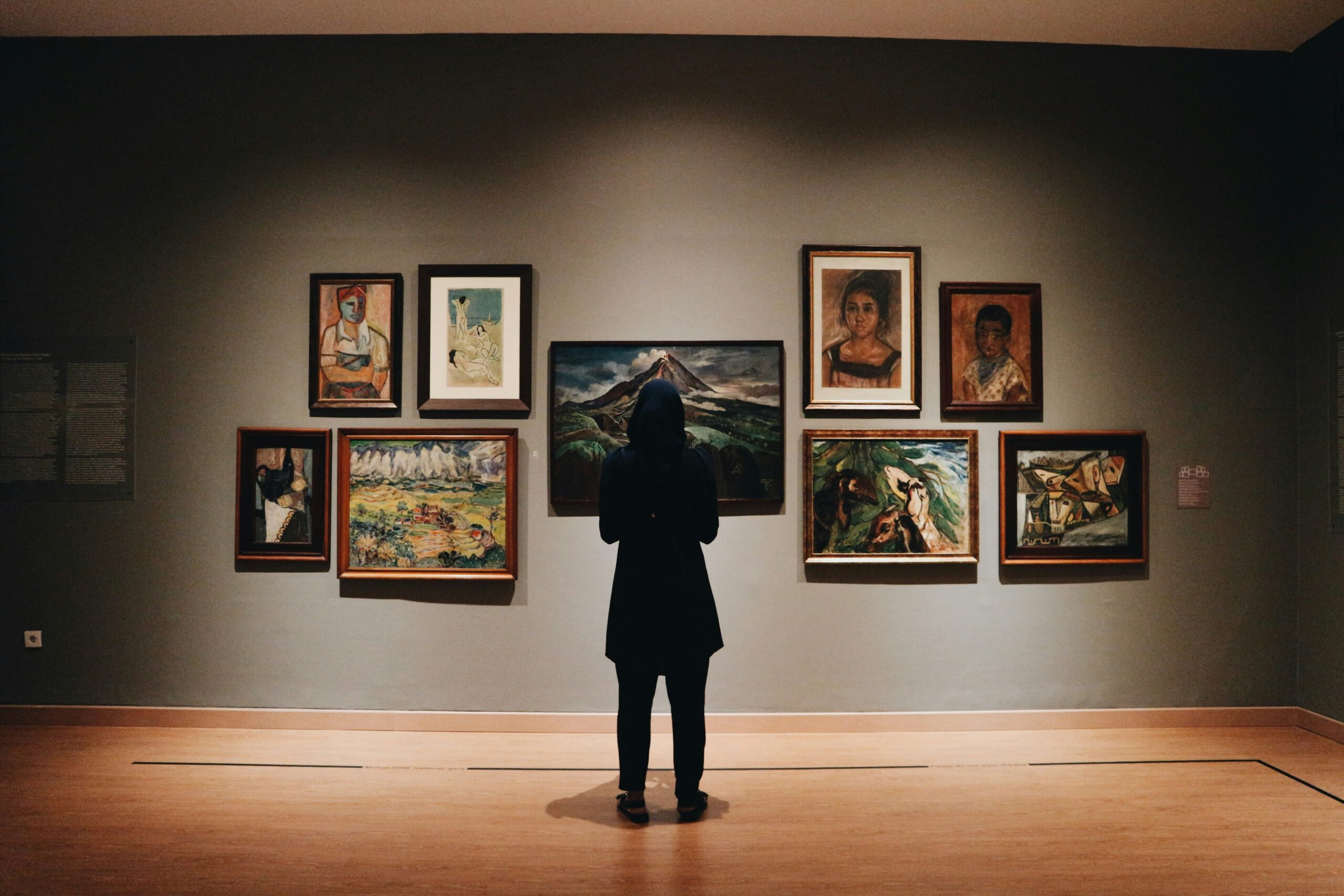
When people talk about the “world’s largest art gallery,” they’re almost always referring to the Louvre Museum in Paris, France. It’s not just big; it’s a monumental institution that holds an unparalleled collection of art and artifacts spanning millennia and cultures. From ancient Egyptian sarcophagi to Renaissance masterpieces and Rococo sculptures, the sheer volume and diversity of its holdings are what earns it that title. It’s an overwhelming experience, but one that rewards a bit of planning and an open mind.
The Louvre’s immense scale isn’t just about the number of artworks on display, though that’s certainly part of it. It’s also about the physical footprint of the museum itself and the incredible depth of its collection across various departments.
The Palace Itself
The building housing the Louvre was originally a medieval fortress, then a palace for French kings. This long history means the architecture itself is a massive and complex structure. You’re not just walking through galleries; you’re traversing a former royal residence, complete with grand halls, intricate ceilings, and vast courtyards. This historical context adds to the sense of grandeur and the sheer physical space a visitor has to cover.
Vasta Collections
The Louvre’s collection is divided into eight curatorial departments, each substantial enough to be a standalone museum in many other cities. These departments cover an enormous range of human creativity:
- Egyptian Antiquities: A comprehensive collection charting over 3,000 years of ancient Egyptian civilization.
- Near Eastern Antiquities: Focusing on the art and early civilizations of Mesopotamia, Persia, and the Levant.
- Greek, Etruscan, and Roman Antiquities: Statues, ceramics, and artifacts from classical antiquity.
- Islamic Art: A relatively newer department, showcasing art from the 7th to the 19th centuries from various Islamic regions.
- Sculptures: European sculptures from the Middle Ages to the 19th century.
- Decorative Arts: Furniture, tapestries, jewelry, and other objects from the Middle Ages through the 19th century.
- Paintings: The most famous department, covering European painting from the 13th to the mid-19th century.
- Prints and Drawings: A vast collection, often displayed in rotating exhibitions due to the fragility of the works.
These departments are not small, focused rooms; they are often entire wings or floors, each requiring significant time to explore properly.
Navigating the Labyrinth
With over 73,000 square meters (approximately 780,000 square feet) of exhibition space and around 35,000 works on display at any given time, navigating the Louvre can be daunting. It’s not a place you can “do” in a day, or even several.
Entry Points and Layout
There are several entrances to the Louvre, the most famous being the Pyramid entrance. Other less crowded options include the Carrousel du Louvre shopping mall entrance and the Porte des Lions entrance near the Pont Royal. Once inside, the museum is divided into three main wings: Denon, Sully, and Richelieu. These wings branch off from the central Pyramid area underground.
Deciding Where to Go
Before you even step foot inside, you should have a general idea of what you want to see. Trying to “see everything” will lead to exhaustion and frustration. Prioritize departments or specific artworks. The museum’s website has an excellent interactive map and lists of key artworks by department.
- For Classical Art Enthusiasts: Head to the Denon wing for Greek and Roman Antiquities (think Venus de Milo) and the Sully wing for Egyptian Antiquities.
- For Painting Lovers: The Denon wing houses most of the Italian and Spanish paintings, including the Mona Lisa. The Richelieu wing has the French and Northern European schools.
- For a Less Crowded Experience: Explore the Decorative Arts in the Richelieu wing or the Near Eastern and Islamic Art departments. These areas often offer more space and fewer crowds.
The Famous Masterpieces

While the Louvre contains thousands of incredible pieces, a few consistently draw massive crowds. Being aware of these and planning how to approach them can save you time and improve your visit.
The Mona Lisa (Leonardo da Vinci)
Located in the Denon Wing, Room 711, the Mona Lisa is undoubtedly the museum’s most famous resident. Expect significant crowds, a barrier keeping you several feet back, and a relatively short viewing time as guards usher people along. It’s an iconic piece, but for some, the experience of seeing it is overshadowed by the congestion. Consider going right at opening or towards closing time, or plan to appreciate it as part of a larger Italian Renaissance painting tour.
Venus de Milo (Unknown Greek Artist)
This iconic Hellenistic sculpture is situated at the end of a long gallery in the Sully Wing (Room 345). While still popular, the viewing experience is generally less frenetic than the Mona Lisa due to its size and the layout of the room. It’s a remarkable example of classical sculpture, often seen as a symbol of classical beauty.
Winged Victory of Samothrace (Unknown Greek Artist)
Perched dramatically at the top of the Daru staircase in the Denon Wing, the Winged Victory is another must-see. Its imposing size and dynamic composition make it a visually stunning piece. The staircase itself offers a grand approach, and the sculpture is viewable from multiple angles, allowing for a better appreciation than some other famous works.
Less Famous but Equally Important
Don’t overlook other significant works that might require less elbow room. Veronese’s “The Wedding Feast at Cana” (directly opposite the Mona Lisa) is a colossal and vibrant masterpiece. Delacroix’s “Liberty Leading the People” (Denon Wing, Room 700) is another powerful and iconic painting that often gets less attention than the Mona Lisa. The sheer volume of Dutch and Flemish masters in the Richelieu wing also offers numerous opportunities for quiet contemplation of incredible art.
Practical Tips for Your Visit

A visit to the Louvre requires preparation. Without it, you risk exhaustion, frustration, and missing out on what you came to see.
Tickets and Entry
- Book Online, in Advance: This is perhaps the most crucial tip. Timed entry tickets are highly recommended and often mandatory. This allows you to bypass the long ticket lines and usually speeds up entry.
- Consider a Museum Pass: If you plan to visit multiple museums in Paris, a Paris Museum Pass can be a cost-effective and convenient option, often allowing you to skip ticket lines (though you’ll still go through security).
- Alternative Entrances: As mentioned, the Pyramid entrance is the most popular, and often the busiest. The Carrousel du Louvre entrance (accessible through the underground shopping mall) or the Porte des Lions entrance can save you time.
What to Bring (and What Not To)
- Comfortable Shoes: This cannot be stressed enough. You will be doing a lot of walking on hard floors.
- Small Bag: While lockers are available for larger items, it’s best to travel light. Security checks are thorough, and large bags slow you down.
- Water Bottle: Staying hydrated makes a difference. There are water fountains available.
- Power Bank: If you plan on using your phone for navigation or photos, a portable charger is a good idea.
- Download the Map/App: The Louvre’s official app or a downloaded map can be invaluable for navigation.
- Leave the Tripod/Selfie Sticks at Home: These are generally prohibited and can be cumbersome in crowded spaces.
When to Visit
- Early Morning or Late Afternoon: Weekday mornings immediately after opening (9:00 AM) or the last few hours before closing (often 5:00 PM or 6:00 PM) tend to be less crowded.
- Evening Openings: On Wednesday and Friday evenings, the Louvre is open until 9:45 PM. These evenings can offer a more relaxed experience, especially after 6:00 PM when many day-trippers have left.
- Avoid Tuesdays: The Louvre is closed on Tuesdays.
- Off-Season Travel: Visiting Paris during the shoulder seasons (spring or fall) or winter (excluding holidays) will generally mean smaller crowds at the museum.
Beyond the Famous Works
| World’s Biggest Art Gallery | |
|---|---|
| Location | Online |
| Number of Artworks | Millions |
| Types of Art | Paintings, Sculptures, Photography, and more |
| Accessibility | 24/7 from anywhere in the world |
| Featured Artists | Various renowned and emerging artists |
While the icons are a draw, spend some time exploring the less-trafficked parts of the museum. This is where you can often find surprising beauty and moments of quiet contemplation.
Napoleon III Apartments
Located in the Richelieu Wing, these opulent apartments offer a glimpse into Second Empire luxury. They are a stark contrast to some of the ancient art and provide a fascinating historical context to the palace’s later use. The grand frescoes, chandeliers, and gilded interiors are impressive in their own right and often less crowded than the main painting galleries.
Medieval Louvre
Beneath the museum, in the Sully Wing, you can explore the foundations of the original medieval fortress. This archaeological excavation provides a tangible connection to the Louvre’s earliest history as a defensive structure, long before it became a royal palace or a museum. It’s an often-overlooked section that offers a unique perspective on the site.
Islamic Art Department
Beautifully designed and featuring a stunning glass roof, the Islamic Art department is a peaceful and aesthetically pleasing space. Its collection of carpets, ceramics, metalwork, and illuminated manuscripts from across the Islamic world is extensive and offers a different cultural perspective from the European focus of much of the museum.
The Overall Experience
Visiting the Louvre is less about seeing every single piece and more about experiencing its grandeur, historical significance, and the sheer human artistry it contains. It’s a journey through time and cultures, showcasing humanity’s creative endeavors on an unparalleled scale. While it demands stamina and strategic planning, the reward is an encounter with some of the most profound and beautiful objects ever created. Don’t expect to conquer it in one go; instead, aim to appreciate a few corners thoroughly, knowing that this incredible “largest art gallery” will always have more to offer on a future visit. Think of it as an ongoing exploration rather than a one-time checklist.